

Noguchi
Memory, modernism, and the question of timeless design

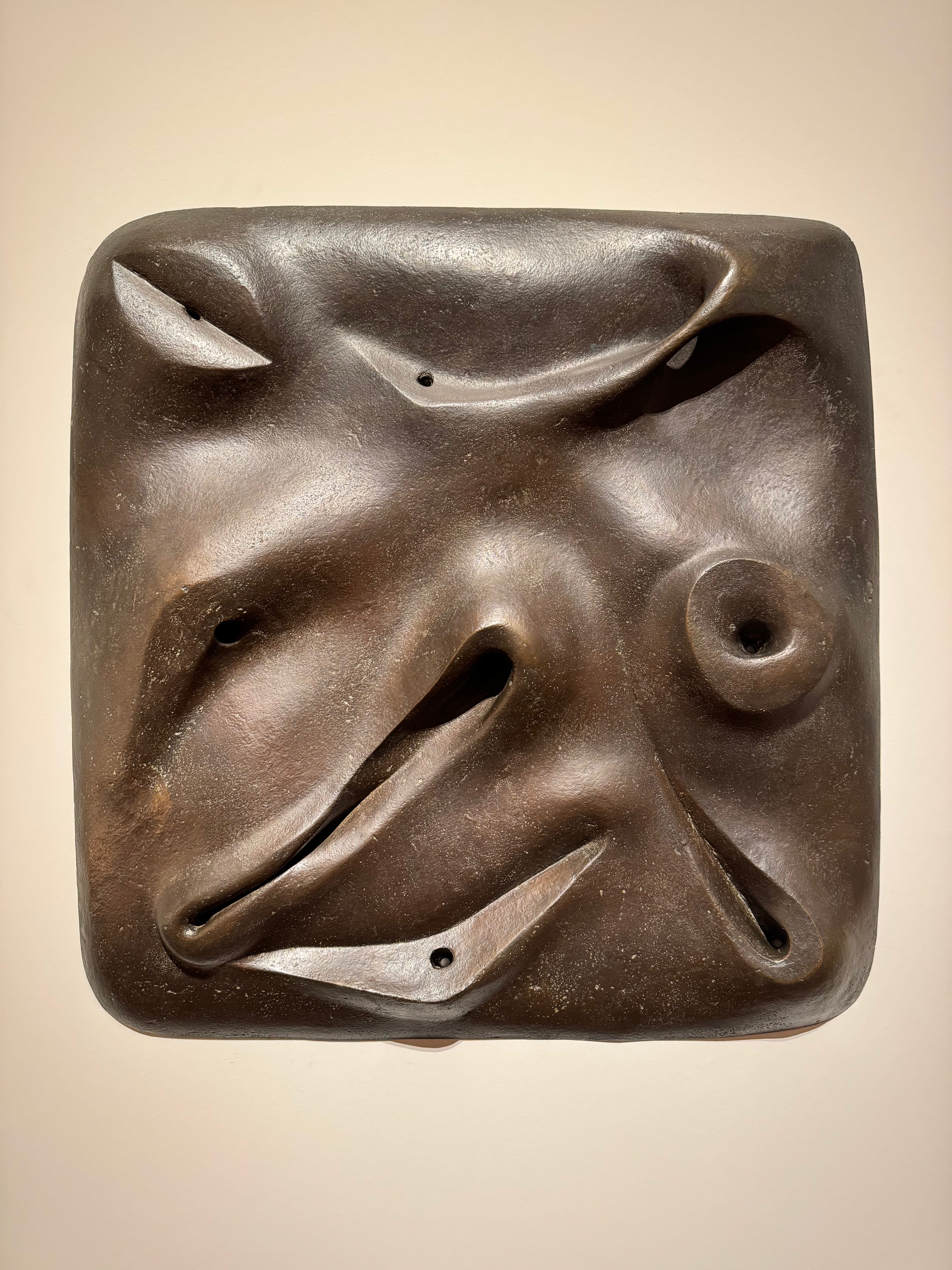
Sometime in 1996 I exited the West 4th stop in the Village, the smell of CK One in the air. I had taken the A, transferring from the G, to get into the city from Brooklyn. I met a friend, crossed the street, and walked into the alcove of the Waverly Diner, narrowly brushing the leather jacket sleeves of Kate Moss and Johnny Depp. I passed them casually, not as superstars but as laymen. I tried not to pay too close attention as they walked away down the sidewalk. Very ordinarily, they passed a Calvin Klein ad (of her), a poster under glass at a bus stop that had been carefully altered by KAWS. The poster had been lifted from its casing, then placed back even more carefully, padlocked as if nothing had happened. The early ones were so subtle they were almost easy to overlook. A cartoon snake, in a shade of celadon, was painted around her mostly nude body, the artwork an addition to the ad for the super famous underwear. Earlier that day, I had been to the Noguchi Museum in Queens.
At the time I was an industrial design student at Pratt Institute, where we studied the history of art, the history of design, and the foundations of drawing, painting, sculpture, and design. Every student was pretty much immediately sent to the Noguchi Museum. Seeing his work for the first time, I understood the relationship between art and design. The lamps especially were burned in my mind’s eye, and I had an epiphany that functional objects could also be sculpture, and that utility doesn’t limit expression or elegance. I understood what simplicity really is for the first time, how minimalism isn’t reductive; it actually requires so much study, refinement, and nuance. That said, what stayed with me most was the clarity of his visual language.
